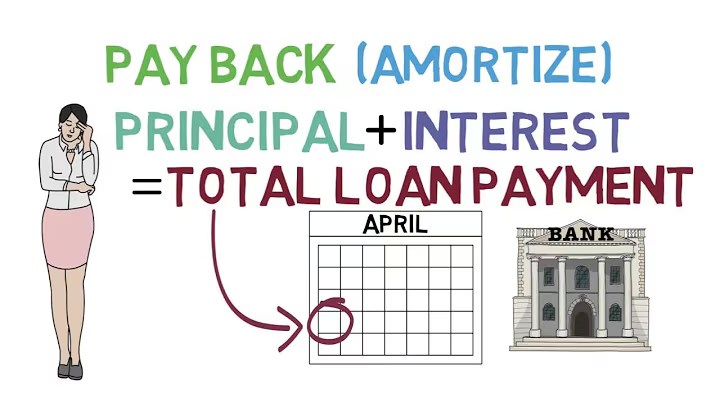

Education, career growth, and international opportunities often require financial investment long before stable income begins. Tuition fees, relocation costs, professional certifications, and even living expenses during early career stages can create significant financial pressure. Many capable individuals delay important opportunities simply because funding is not immediately available.
Loans designed specifically for students and young professionals can bridge this gap. When used responsibly, they provide access to higher education, international study programs, skill development, or relocation for better employment prospects. The key is understanding which loan options exist, how they work, and what obligations they carry.
A well structured loan can support academic progress, open doors to global careers, and help build financial independence over time. Choosing the right loan requires careful planning, awareness of repayment terms, and a realistic understanding of future income potential.
Why Loans Are Common for Education and Early Careers
Higher education and career mobility often involve upfront expenses. These may include university tuition, professional certification fees, visa application costs, relocation expenses, accommodation deposits, and insurance coverage.
Many international study pathways also require proof of financial support before a study permit is approved. In such cases, loans can serve as documented financial backing when applying for visas or student permits.
For young professionals pursuing career advancement, loans may cover costs such as:
Postgraduate degrees or specialized training
International relocation for employment opportunities
Professional licensing and certification exams
Technology equipment needed for remote work
Living costs during internships or career transitions
With careful planning, these loans become an investment in long term income growth.
Common Types of Loans Available
Different financial institutions and government programs offer loan structures tailored to education or early career development.
Government-Supported Student Loans
Many countries operate public student loan programs that offer lower interest rates and flexible repayment terms. These loans are typically intended to support tuition fees, accommodation, and basic living costs.
Repayment often begins after graduation or once the borrower reaches a certain income level. This structure helps graduates stabilize their careers before repayment begins.
These loans are particularly common in countries with strong higher education systems where governments encourage international students or domestic talent development.
Bank Education Loans
Commercial banks offer education loans designed for university tuition and related expenses. These loans are widely used for international study programs.
Typical coverage may include:
University tuition fees
Travel costs for relocation
Accommodation expenses
Books and study materials
Health insurance required for study permits
Interest rates vary depending on the borrower’s credit profile, guarantor availability, and repayment timeline. Some banks allow repayment to begin several months after graduation.
Professional Development Loans
Young professionals who want to upgrade their skills often use career development loans. These loans finance:
Postgraduate diplomas
Professional certifications
Technical training programs
Language training for migration pathways
For individuals planning international relocation, language certification programs or specialized training can significantly improve eligibility for work permits and visa sponsorship opportunities.
Personal Loans for Career Mobility
Personal loans are sometimes used for relocation costs or career transitions. These loans are more flexible but usually have higher interest rates than dedicated student loans.
Common uses include:
Moving to a new country for employment
Paying visa processing fees
Temporary living expenses during job search periods
Work permit application costs
Because repayment begins immediately, personal loans require careful budgeting and a stable income plan.
Income-Share Agreements
Some institutions offer alternative financing models where students repay a percentage of their future income instead of fixed loan payments. These arrangements are usually linked to specific education programs.
Repayment only begins once the graduate secures employment above a defined salary threshold. While not technically a traditional loan, this model allows individuals to access education without immediate financial pressure.
Eligibility Requirements
Loan approval depends on several factors that lenders use to evaluate repayment reliability.
For education loans, common requirements include:
Admission letter from a recognized university or training institution
Proof of tuition fees and program duration
Academic transcripts
Identification documents
A guarantor or co-signer in many cases
Young professionals applying for career development loans may need to provide:
Employment records
Income statements
Credit history
Evidence of training programs or certification courses
For international study or relocation pathways, lenders may also review visa eligibility, study permits, and potential earning capacity after graduation.
Salary Expectations After Education or Training
Understanding potential income after completing education or training is important when considering any loan.
Graduates entering professional fields such as technology, engineering, healthcare, finance, or business often begin with moderate salaries that grow steadily with experience.
Entry level salaries in many developed job markets typically range between $35,000 and $65,000 annually depending on the profession and location. Skilled fields such as software development, engineering, and specialized healthcare roles often reach higher ranges within a few years.
For international graduates working under post study work permits, salaries may increase significantly once permanent work authorization is obtained. This progression allows many borrowers to comfortably repay student loans while building savings.
Insurance Requirements
Many education and relocation pathways require insurance coverage as part of visa or university enrollment conditions.
Health insurance is commonly mandatory for international students. Universities or national health systems often require proof of medical coverage before allowing enrollment or issuing study permits.
Travel insurance may also be necessary during the relocation process, especially when moving abroad for the first time.
In some countries, social insurance contributions become mandatory once employment begins. These contributions typically include pension schemes, healthcare coverage, and unemployment insurance.
Including insurance costs in loan planning ensures there are no unexpected financial gaps during relocation or study periods.
Cost Breakdown to Consider Before Borrowing
Loans should always be based on realistic cost estimates rather than rough assumptions.
Typical expenses may include:
Tuition fees, which vary widely depending on the institution and country
Accommodation deposits and monthly rent
Food and transportation expenses
Visa application fees and study permit costs
Health insurance and medical checks
Travel costs including flight tickets
Books, equipment, and course materials
International relocation often requires an initial financial buffer beyond tuition fees. Careful budgeting helps ensure the loan covers essential expenses without excessive borrowing.
Step-by-Step Loan Application Process
The process of obtaining a student or career loan usually follows several structured stages.
The first step is securing admission to a university or enrollment in a professional training program. Lenders generally require official documentation confirming the program.
Next comes financial assessment. Applicants submit identification documents, academic records, proof of admission, and financial details such as income statements or guarantor information.
Once documents are verified, the lender evaluates the loan amount based on program cost and repayment capacity. Approved loans are then issued directly to the educational institution or deposited in installments.
For international students, the loan approval letter can also support visa applications by demonstrating financial capability.
After graduation or program completion, repayment begins according to the agreed schedule.
Documents Commonly Required
Loan applications generally require several important documents.
Applicants should prepare:
Valid identification or passport
University admission letter
Proof of tuition costs
Academic transcripts and certificates
Bank statements or financial records
Guarantor documents when required
Credit history information where applicable
For international relocation pathways, visa documentation and study permit approval may also be requested before funds are released.
Keeping these documents organized helps speed up the approval process.
Common Mistakes to Avoid
One of the most frequent mistakes is borrowing more than necessary. Large loan balances increase repayment pressure after graduation.
Another issue is ignoring repayment terms. Interest rates, grace periods, and repayment timelines vary significantly between lenders. Understanding these conditions before signing the agreement is essential.
Many applicants also underestimate living costs, especially when relocating internationally. Rent, transportation, and daily expenses in major cities can be significantly higher than expected.
Choosing programs with limited career prospects can also create financial strain. Education should always align with realistic employment opportunities and salary potential.
Legal and Migration Considerations
Loans used for international education or relocation often intersect with immigration policies.
Study permits usually require proof of sufficient funds for tuition and living expenses. Approved education loans can serve as valid financial documentation during visa applications.
After graduation, many countries offer post study work permits that allow international graduates to gain professional experience. These work permits often serve as a pathway toward long term residency or skilled migration programs.
However, maintaining legal immigration status is essential throughout the process. Visa conditions must be respected, including enrollment requirements, employment restrictions during study periods, and proper documentation when applying for work permits.
Practical Tips for Managing Loans Successfully
Borrow only what is necessary for essential expenses.
Choose educational programs with strong employment outcomes and recognized professional value.
Start planning repayment strategies early, even before graduation.
Consider part time work opportunities where permitted under study permit regulations. Many countries allow students to work limited hours while studying.
Build financial discipline by tracking expenses and avoiding unnecessary debt during the study period.
Maintaining a good credit history will also improve access to future financial opportunities.
Long-Term Benefits of Strategic Borrowing
When used wisely, loans can significantly accelerate career development and financial independence.
A well funded education often leads to higher earning potential, better employment stability, and international career mobility.
Graduates who gain experience under post study work permits frequently qualify for permanent residency programs in countries that encourage skilled migration. This transition offers long term security and broader professional opportunities.
In addition to income growth, higher education and international work experience provide professional networks, global exposure, and career flexibility across industries.
Over time, these advantages often outweigh the initial financial commitment required to obtain education or career training.
Conclusion
Access to education, professional training, and global career opportunities often depends on financial readiness. Loans designed for students and young professionals offer a structured way to invest in these opportunities without delaying progress for many years.
The most successful borrowers approach loans as long term investments rather than short term solutions. They carefully evaluate program quality, employment prospects, repayment conditions, and relocation costs before committing.
With proper planning, disciplined financial management, and a clear career path, these loans can open doors to stable careers, international mobility, and lasting financial growth.