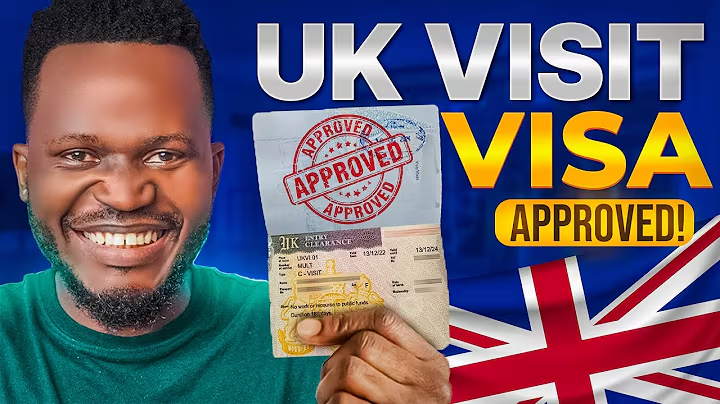

Traveling to another country can open the door to new opportunities, better income, education, and long term stability. Many people move abroad for work, study, or business, hoping to improve their quality of life. However, immigration laws are strict in most countries, and even small mistakes during the travel or visa process can lead to denied entry, visa refusal, or even travel bans.
Understanding immigration rules before traveling is not only important for legal entry, it also protects your future chances of relocation, employment, or permanent residency. Every country has its own immigration system, and travelers who understand the rules usually experience a smoother transition when entering a new country.
Immigration officers are trained to evaluate travelers carefully. They review documents, travel history, financial capacity, and the purpose of the visit. Knowing what is expected helps travelers avoid unnecessary stress at airports, embassies, and border checkpoints.
For anyone considering international relocation, work permits, study permits, or visa sponsorship, understanding these immigration rules is an essential first step.
Why Immigration Rules Matter
Immigration rules exist to control who enters a country and for what purpose. Governments use these regulations to protect their labor markets, ensure public safety, and maintain proper documentation for all visitors.
Travelers who ignore immigration regulations often face serious consequences such as visa refusals, deportation, or entry bans that can last several years. In contrast, individuals who follow proper procedures often find it easier to extend visas, change status, or apply for permanent residency later.
Many people travel initially on a visitor visa and later transition into work permits or study permits. This is only possible when the original entry complies fully with immigration laws.
Understanding the rules allows travelers to prepare properly, meet financial requirements, secure health insurance, and present the correct documents at border control.
Understanding the Purpose of Your Visa
One of the most important immigration principles is that every visa has a specific purpose. Using a visa incorrectly is one of the most common reasons travelers face immigration problems.
Visitor visas are designed for tourism, family visits, or short business trips. These visas normally do not allow employment. Working while holding a tourist visa is considered a violation of immigration law in most countries.
Work visas or work permits allow individuals to take legal employment with an approved employer. These visas often require visa sponsorship from a company that has authorization to hire foreign workers.
Study permits allow international students to enroll in recognized educational institutions. Some countries allow students to work part time during their studies, while others limit employment strictly.
When applying for any visa, the purpose of travel must match the visa type. Immigration officers will always check this carefully during the visa interview and again at the airport.
Eligibility Requirements for Entry
Each country has its own entry requirements, but some basic conditions apply in most places. Travelers must prove they meet these criteria before immigration approval is granted.
A valid passport is the first requirement. Many countries require passports to remain valid for at least six months beyond the intended stay.
Financial capacity is another important factor. Travelers must show they can support themselves during their stay without relying on illegal employment or public funds.
Clean immigration history also matters. Previous visa overstays, deportations, or entry bans may affect new applications.
Some countries require travelers to show return flight tickets or onward travel plans. This demonstrates that the visit is temporary and the traveler plans to leave before the visa expires.
Accommodation arrangements may also be requested, especially for short term visits.
Salary Expectations for Work Visa Applicants
Individuals planning to relocate for employment must understand the salary requirements associated with work permits and visa sponsorship.
Many countries set minimum salary thresholds for foreign workers. These requirements ensure that international employees are paid fairly and that local labor markets are protected.
In countries like Canada, the United Kingdom, Germany, and Australia, foreign workers often earn salaries ranging from around $35,000 to $90,000 per year depending on the profession, experience level, and region.
Highly skilled professionals such as engineers, healthcare workers, IT specialists, and financial experts typically earn higher salaries. Entry level jobs may fall at the lower end of the salary range.
Employers sponsoring a work permit usually submit employment contracts that include salary details, working hours, and benefits. Immigration authorities review these contracts before approving the visa.
Understanding salary expectations also helps travelers prepare for the cost of living in their destination country.
Insurance Requirements for Travelers and Migrants
Insurance is often a mandatory requirement when applying for visas or entering certain countries. Governments want to ensure that visitors can cover medical expenses without relying on public healthcare systems.
Travel insurance is commonly required for tourist visas, especially in Europe and parts of Asia. This insurance typically covers medical emergencies, hospital treatment, and unexpected travel disruptions.
Health insurance is required for students and foreign workers in many countries. Some employers provide insurance coverage as part of employment contracts.
International students usually must purchase student health insurance through their school or national healthcare systems.
In countries with strict immigration rules, proof of insurance may be requested during visa applications or at airport immigration checkpoints.
Travelers who arrive without the required insurance risk visa refusal or denial of entry.
Typical Costs of Immigration and Relocation
International travel and relocation involve several financial commitments. Understanding these costs early helps avoid financial pressure during the migration process.
Visa application fees vary widely depending on the destination country and visa type. Tourist visas may cost between $50 and $200, while work permits and study permits can range from $150 to over $1,000.
Relocation expenses can include airfare, accommodation deposits, transportation, and initial living costs.
International students must also consider tuition fees. Depending on the country and institution, tuition can range from around $5,000 to $25,000 per year.
Health insurance, document verification, translation services, and immigration processing fees can also add to the overall cost.
Preparing a realistic financial plan is an important part of successful migration.
Step by Step Immigration Application Process
The immigration process generally follows a structured sequence. Understanding each stage improves the chances of approval.
The first step is selecting the appropriate visa category based on travel purpose. This could be a visitor visa, work permit, or study permit.
The next stage involves gathering documents. These may include passports, financial statements, educational certificates, employment contracts, and proof of accommodation.
Applicants then complete the official visa application form and pay the required processing fee.
Many countries require biometric registration, which involves fingerprints and photographs at a visa application center.
Some visa categories require interviews at embassies or consulates. During interviews, officers assess the travel purpose, financial stability, and intention to return home if the visa is temporary.
Once approved, the visa is issued and travel arrangements can be finalized.
Upon arrival at the destination country, immigration officers conduct a final check before granting entry.
Documents Commonly Required
Immigration documentation must be accurate, organized, and complete. Missing or inconsistent documents often lead to delays or visa refusals.
The most commonly required documents include a valid passport, visa approval letter, proof of financial support, travel itinerary, and accommodation confirmation.
Students must provide admission letters from recognized institutions along with academic records.
Workers must present employment contracts, visa sponsorship documents, and sometimes professional certifications.
Medical insurance certificates are also required for many visa categories.
Having both printed and digital copies of documents can make immigration procedures smoother at airports and embassies.
Common Immigration Mistakes to Avoid
Many visa refusals occur because travelers underestimate the importance of proper documentation and preparation.
Submitting incomplete application forms is one of the most frequent mistakes. Immigration officers rely heavily on written applications to assess eligibility.
Providing inconsistent information across documents can raise suspicion. Dates, addresses, employment details, and travel history must match exactly.
Overstaying a visa is another serious violation. Even a short overstay can affect future travel approvals.
Travelers should also avoid working illegally on visitor visas. Immigration authorities often monitor employment activity, and violations can lead to deportation.
Failing to show financial stability is another common problem during visa interviews or airport checks.
Careful preparation and honest documentation significantly improve immigration outcomes.
Legal Considerations for International Travel
Immigration law is part of national legal systems, and violations can carry serious consequences.
Each visa category has clear conditions. Visitors must leave before their visa expires. Students must maintain active enrollment. Workers must remain employed by authorized employers.
Changing visa status often requires approval from immigration authorities. For example, switching from a visitor visa to a work permit usually requires formal application and approval.
Certain countries also require migrants to register with local authorities shortly after arrival.
Understanding these legal responsibilities helps travelers maintain good immigration records, which is essential for long term residency or citizenship applications.
Practical Tips for a Successful Immigration Journey
Preparation is the most effective way to avoid immigration problems. Travelers should research immigration rules thoroughly before submitting applications.
Keeping copies of all submitted documents helps prevent confusion during the process.
Financial planning is also important. Having sufficient savings for the first few months of relocation reduces stress while settling in.
Learning basic information about the destination country, including employment regulations, housing markets, and healthcare systems, makes adjustment easier.
Maintaining a clean travel history and respecting visa conditions greatly improves the chances of future visa approvals and long term residency opportunities.
Long Term Benefits of Following Immigration Rules
Respecting immigration rules not only ensures safe travel but also opens doors to long term opportunities.
Individuals who maintain legal immigration status often become eligible for extended work permits, permanent residency programs, and eventually citizenship in some countries.
Stable immigration status allows individuals to access better employment opportunities, higher income potential, and social benefits in many regions.
Families can also benefit through dependent visas, education opportunities for children, and improved quality of life.
Following immigration rules builds a strong legal foundation for anyone seeking international career growth and global mobility.
Conclusion
International travel and relocation require careful preparation and respect for immigration regulations. Every visa category has clear rules that must be followed from the moment of application to the final day of stay.
Understanding visa conditions, financial requirements, insurance obligations, and legal responsibilities helps travelers avoid costly mistakes. Proper documentation, honest applications, and responsible travel behavior create a smooth immigration experience.
For those pursuing work permits, study permits, or long term relocation opportunities, respecting immigration laws is the key to building a stable future abroad. A well prepared traveler not only enters a new country successfully but also creates opportunities for long term career growth, residency, and financial stability.